Mangrove conservation is not a movement that can be completed in a matter of months. It is a long-term journey that can take years, and even then, success is never guaranteed.
This effort is like a gamble with nature. It is not caused by poor planning, but by the fact that nature has its own will. We can plant using the best methods, but in the end, nature decides what survives.
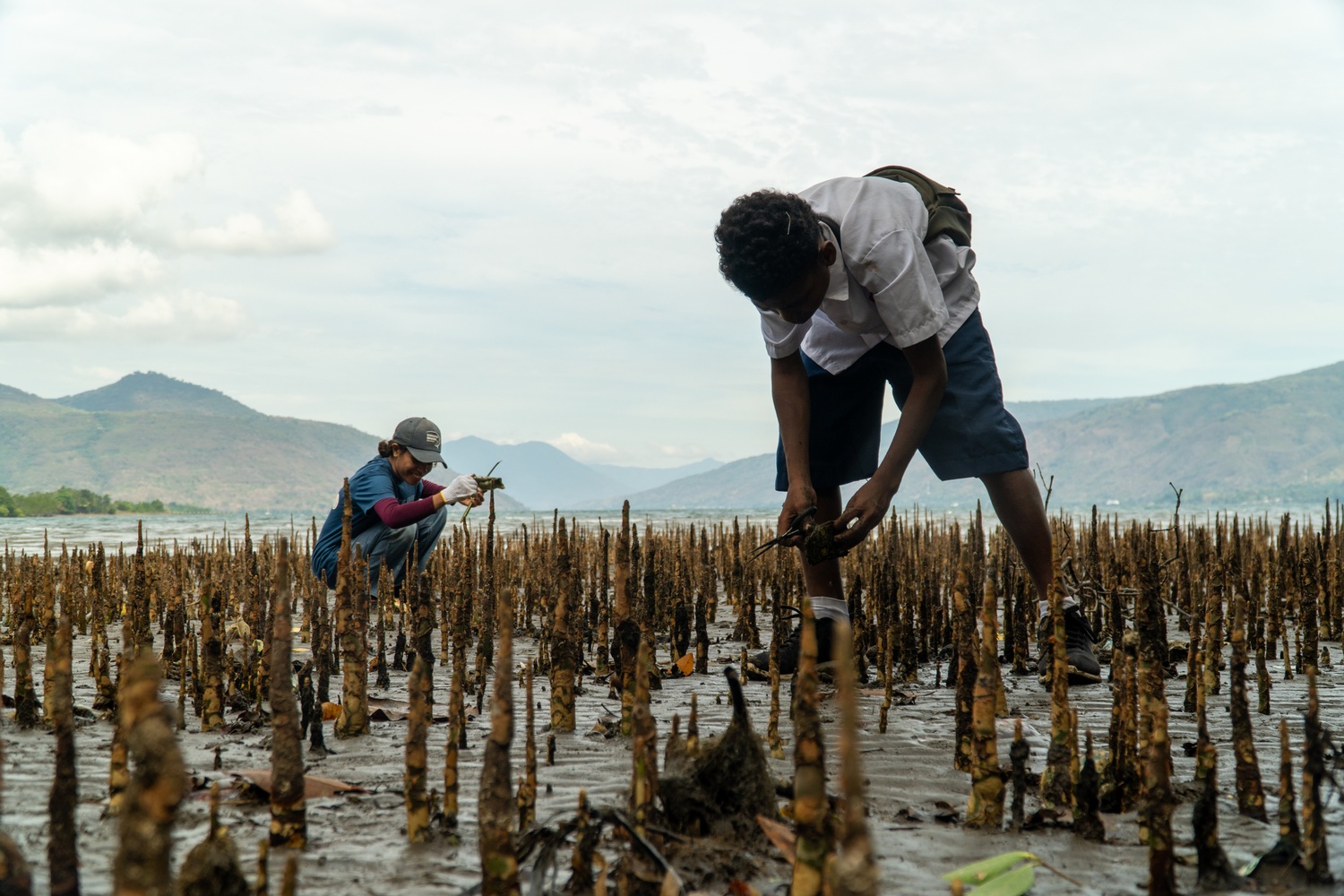
The mangrove restoration program in several coastal villages has been running for almost two years. We have successfully planted more than 6,200 mangrove seedlings. However, the planting phase is only the beginning, because after that comes the real work. We must ensure these seedlings grow and survive through extreme weather conditions. Until now, more than 400 seedlings have died, mostly because strong waves constantly hit the young plants that are not even two years old.
So, what should we do?
We understand that sustainability can only be achieved through continuous monitoring and replanting to replace the ones that do not survive. We hold firmly to a principle of resilience. If one dies, many more must grow in its place.
But we cannot do this alone. More hands and more hearts are needed. That is why the idea of forming mangrove stewards emerged.
Restoration is not only about education or ceremonial planting. We need genuine community participation. People must be present and truly involved in the recovery of their coastline.
Mangrove stewards are young people who were born and raised in the restoration area. There are three main reasons we choose local youth. They have rights and responsibilities over their land. They deserve a significant role in protecting their own environment. And they deserve access to conservation knowledge and opportunities, not only in a classroom but also in nature, which is the greatest teacher of all.
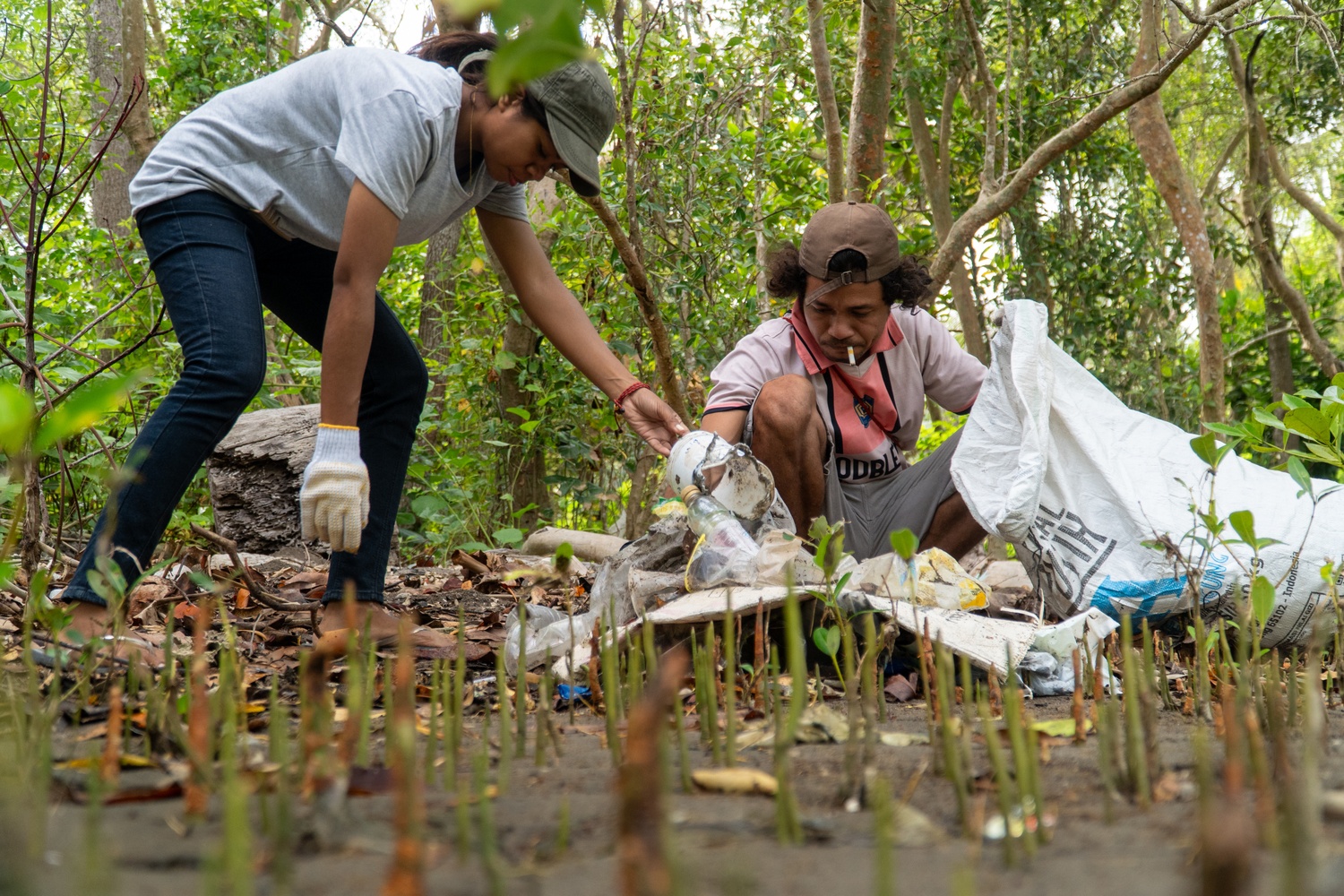
Restoration is not only about bringing back coastal greenery. It is also about building a sense of ownership in the community. A movement will never be meaningful without the support of the people who live nearby.
We focus on young people because they are the future custodians of the place where they stand. They will inherit the responsibility of caring for their land. It may sound familiar, but this hope remains powerful, especially for indigenous youth.
Parents and community leaders are very important, yet regeneration must continue. Through experience, we have learned that young people hold local knowledge and skills that strengthen restoration efforts. They understand the coastal environment very well and they know how to approach their communities. They are essential pieces in completing the restoration work.
Through a selection process involving village and sub-district governments, three young people were chosen as mangrove stewards.
Fanating Village is represented by Suku, a local youth who is also actively involved in restoration activities in his village. Charles, a young man with a strong interest in environmental restoration—particularly in coastal areas—was selected to represent West Welai. Meanwhile, Pailelang is represented by Stevenson, a local youth known for his active involvement in youth initiatives.
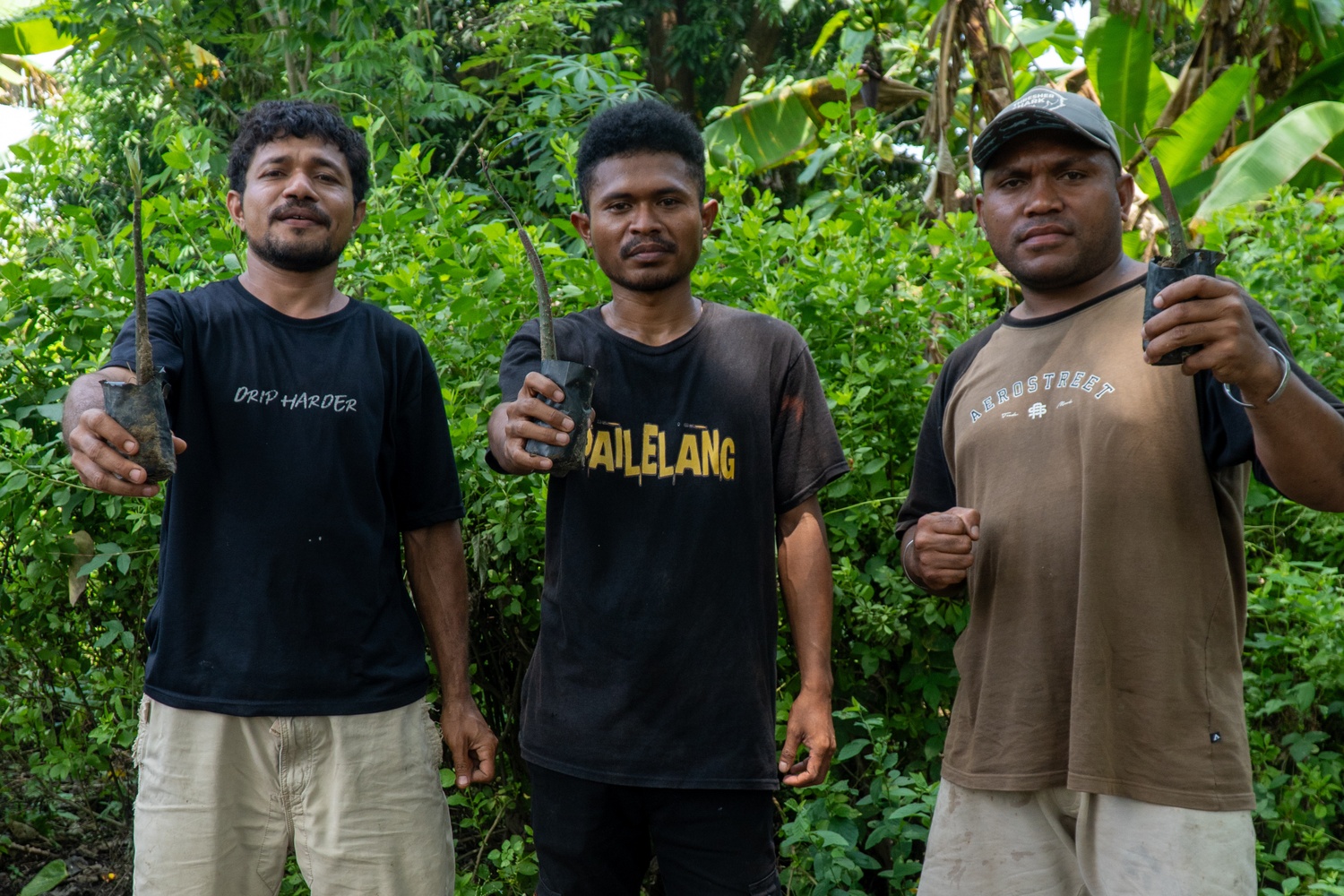
We will continue the work that has begun. The more than six thousand seedlings already planted are not just numbers. They symbolize hard work and shared hope. With these stewards working on the ground, we believe the spirit of this program will continue, even if progress takes time.
Every program has a deadline. The legacy it leaves cannot have one. The government, communities, organizations, and especially youth all hold essential roles. When local youth become involved, this effort reaches more hands and more hearts.
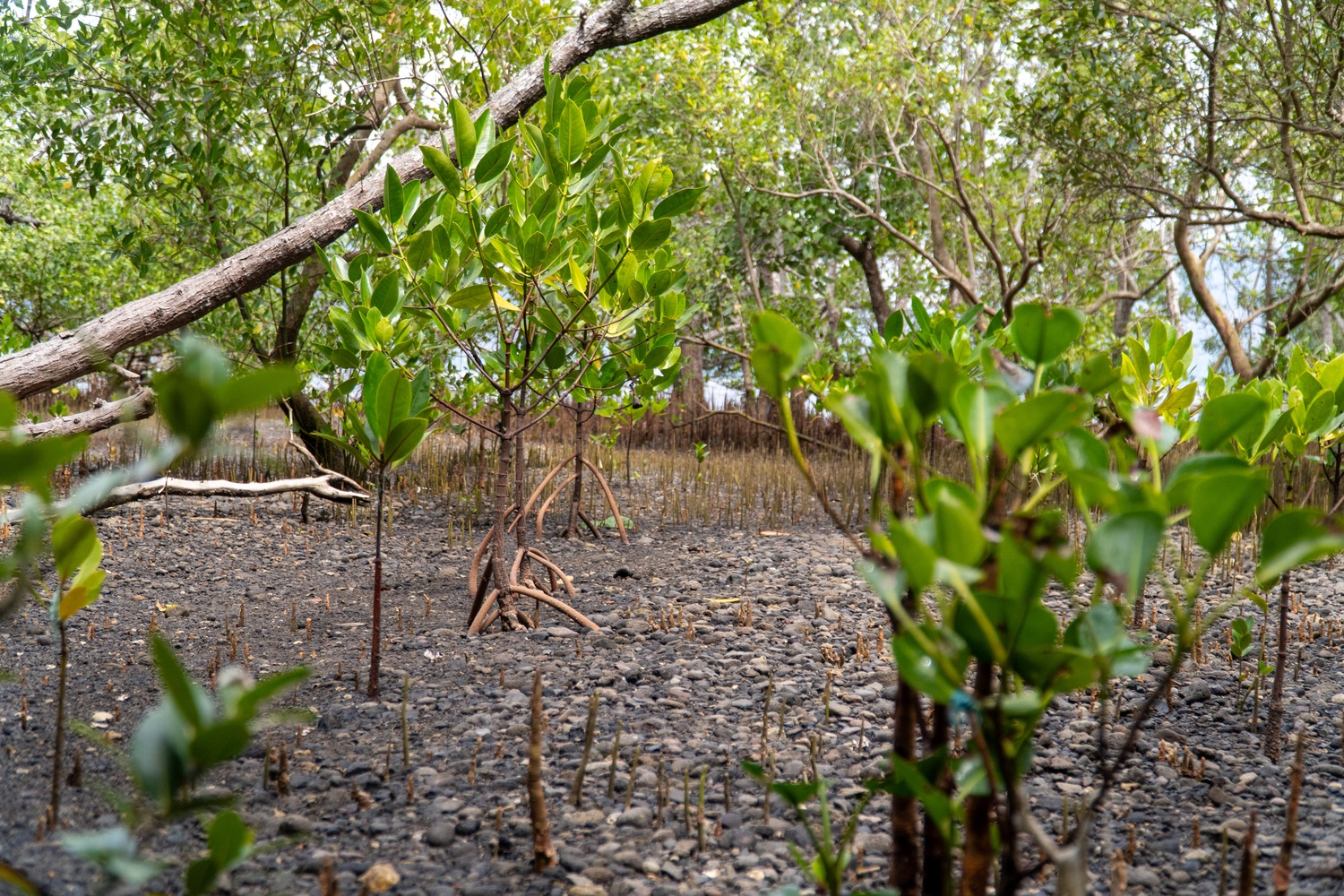
Our next step is a commitment to keep hope alive. Through these young stewards, restoration can include more people who care, more collective effort, and a stronger connection to the land. The vision of rebuilding the “Guardians of the Coast” will be protected and passed on through generations.
Author: Maria Bernadeth Tukan/Umar Tusin
Thresher Shark Indonesia by Yayasan Teman Laut Indonesia is nonprofit registered under the Indonesian government, AHU-0019780.AH.01.04.Tahun 2020.
[email protected]
Thresher Shark Indonesia
Alor Island, East Nusa Tenggara
Indonesia